 01
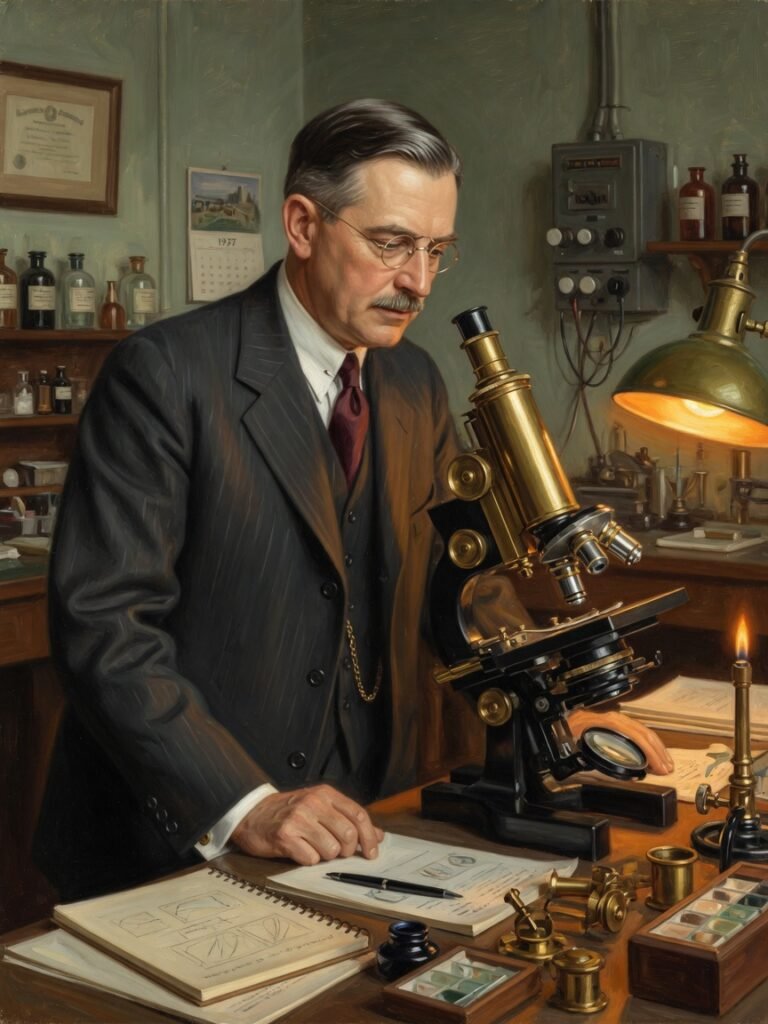
01Dr Royal Raymond Rife
Life of the optical pioneer and frequency researcher — from early instruments to a contested final chapter in 1971.
Read chapter
Educational history series
A multi-page educational history of Dr Royal Raymond Rife, his microscopes, frequency instruments, the 1934 clinic, Beam Ray years and modern legacy — rewritten for JKB Healing readers.
Why this history matters
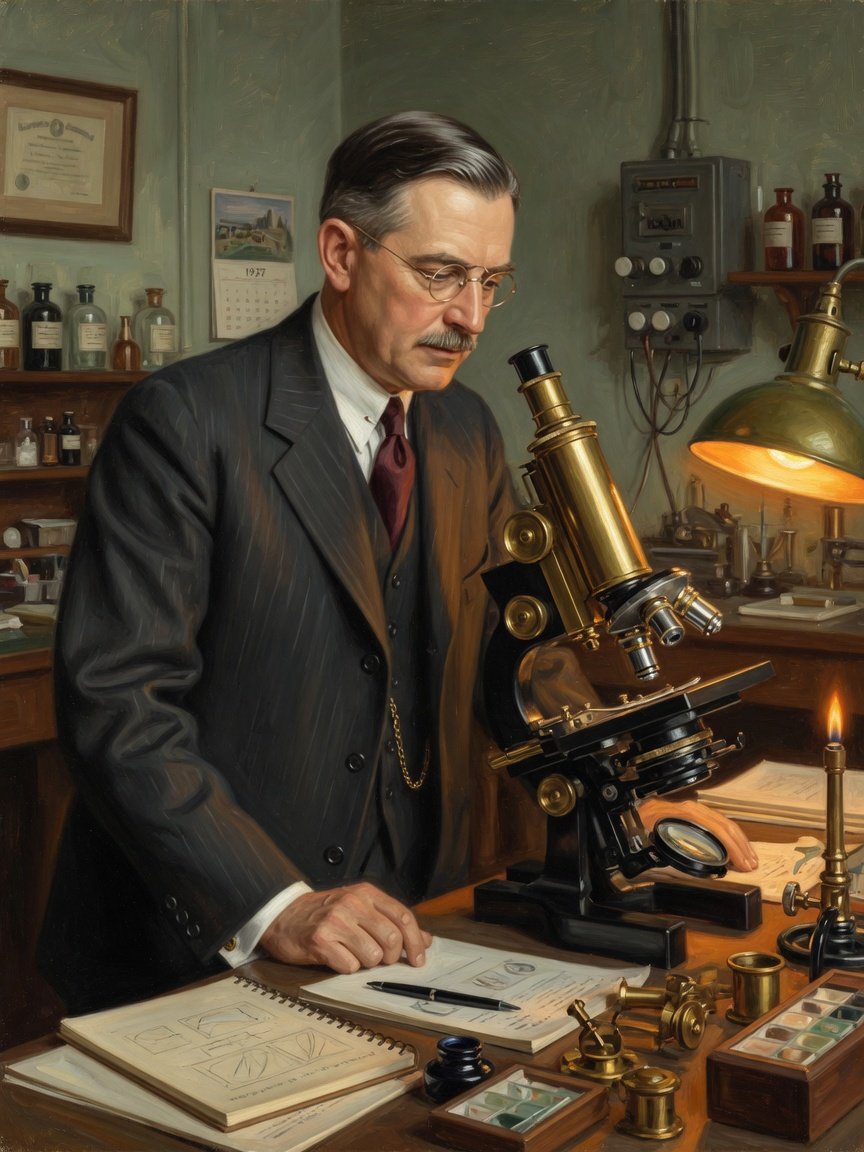
Royal Raymond Rife is remembered for three intertwined threads: building extraordinarily ambitious optical microscopes; studying microorganisms that conventional light microscopes of his era struggled to resolve; and developing frequency instruments — often called Rife machines — intended to interact with those organisms through electromagnetic energy delivered via a ray tube.
His circle included senior medical figures of the 1930s: Dr Milbank Johnson, bacteriologist Arthur Isaac Kendall, clinicians such as Dr James B. Couche and Dr Arthur W. Yale, engineer Philip Hoyland, and later partners John Crane and John Marsh. Their work was celebrated in newspapers, disputed in institutions, and later partly recovered by independent historians who hunted surviving machines, trial transcripts and laboratory film.
At a glance
Key waypoints — expanded in the chapters below.
Rife studies optics, builds instruments, and begins long experimental runs that later supporters number in the tens of thousands of laboratory trials.
High-magnification optical work and collaboration with bacteriologist Arthur I. Kendall draw press attention; dinner photographs and “new eye of the microscope” coverage circulate.
Dr Milbank Johnson organises a summer clinic associated with a USC Special Medical Research Committee. Sixteen cases are often cited; careful sources stress a mix of tuberculosis and cancer patients, not “sixteen cancers only.”
More portable cabinets, corporate Beam Ray activity, and Philip Hoyland’s clinical instrument designs — including methods later analysed as harmonic sideband approaches — reshape the technology story.
Business litigation, regulatory pressure and the rise of pharmaceutical standards push electronic frequency instruments to the margins while a smaller circle of doctors continue private use.
Later partnerships, legal battles over frequency instruments, and Rife’s death in 1971 — remembered by the Daily Californian as a scientific genius whose work had been discredited by organised medicine.
Popular books, documentaries, archival websites and contemporary generators (including Spooky2-class systems used in complementary clinics) reopen public interest — with better historical discipline than internet myth alone.
“Having spent every dime I earned in my research for the benefit of mankind, I have ended up as a pauper — but I achieved the impossible and would do it again.”Attributed to Royal Raymond Rife · late career affidavit era
Deep dives
Read in order — or jump to the instrument, clinic or legacy page that answers your question.
01Life of the optical pioneer and frequency researcher — from early instruments to a contested final chapter in 1971.
Read chapter 02
02Universal microscopes, ray tubes, Rife Ray generations and Beam Ray clinical design ideas explained without the marketing fog.
Read chapter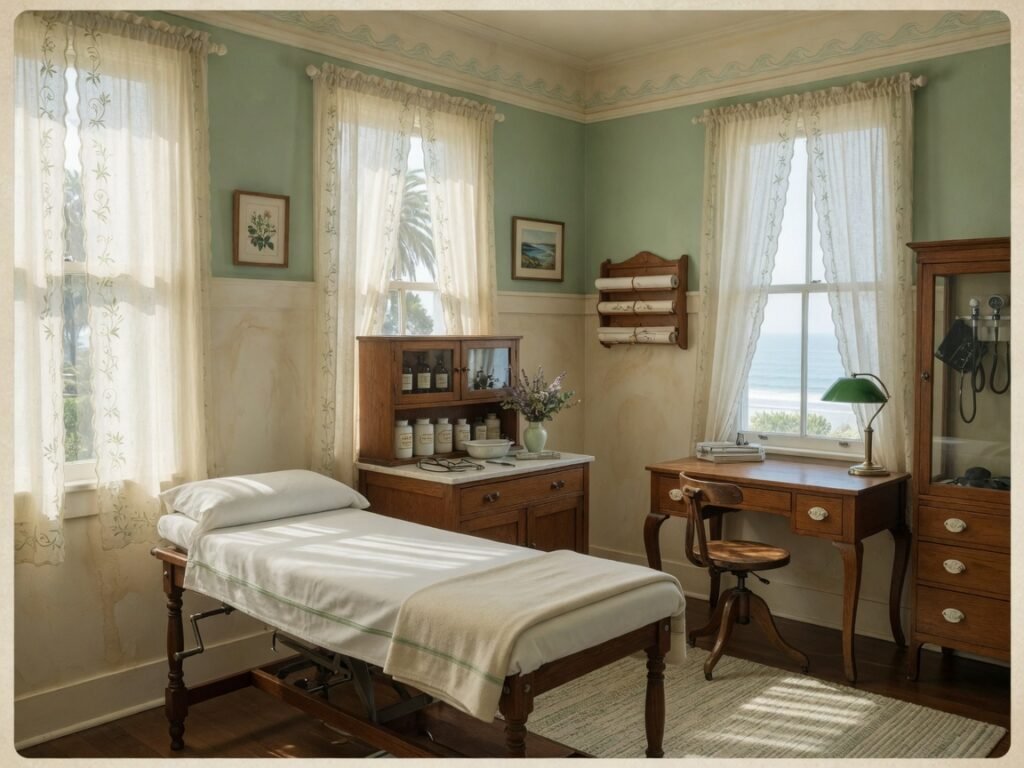 03
03La Jolla 1934: Milbank Johnson, Kendall, Couche, USC committee culture — and why “16 cancer cures” is the wrong headline.
Read chapter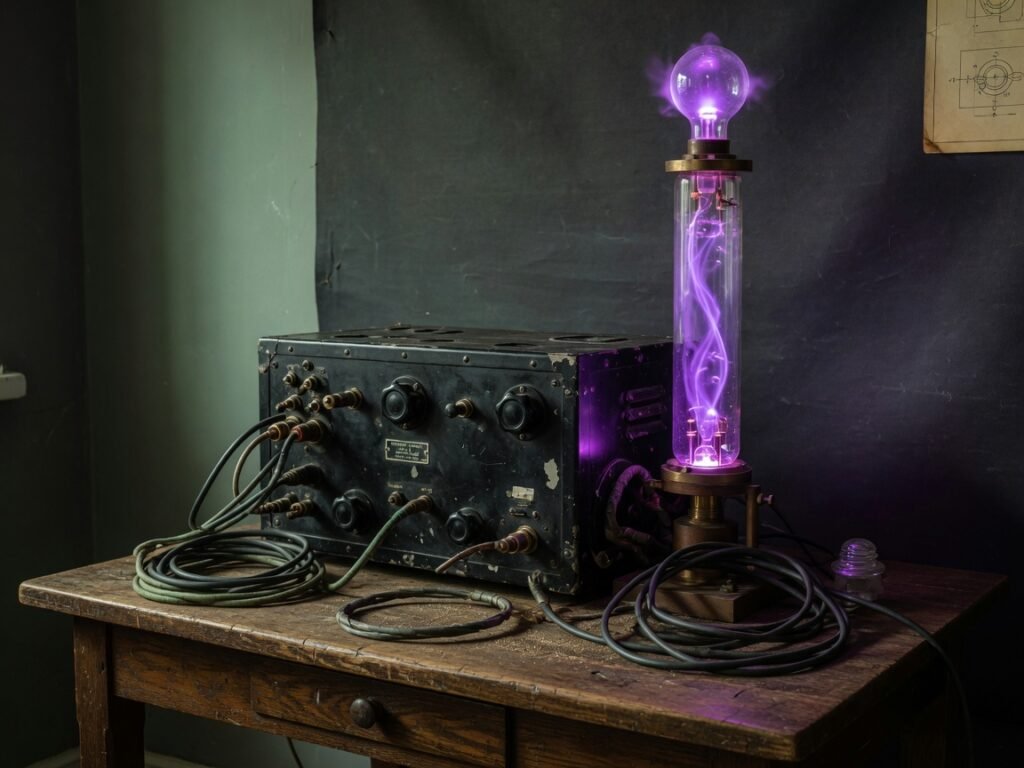 04
04Philip Hoyland, Beam Ray Clinical machines, courtroom conflict, Crane & Marsh, and the long regulatory winter.
Read chapter 05
05Rediscovery, honest limits of historical evidence, and how complementary frequency sessions at JKB Healing relate to the Rife tradition.
Read chapter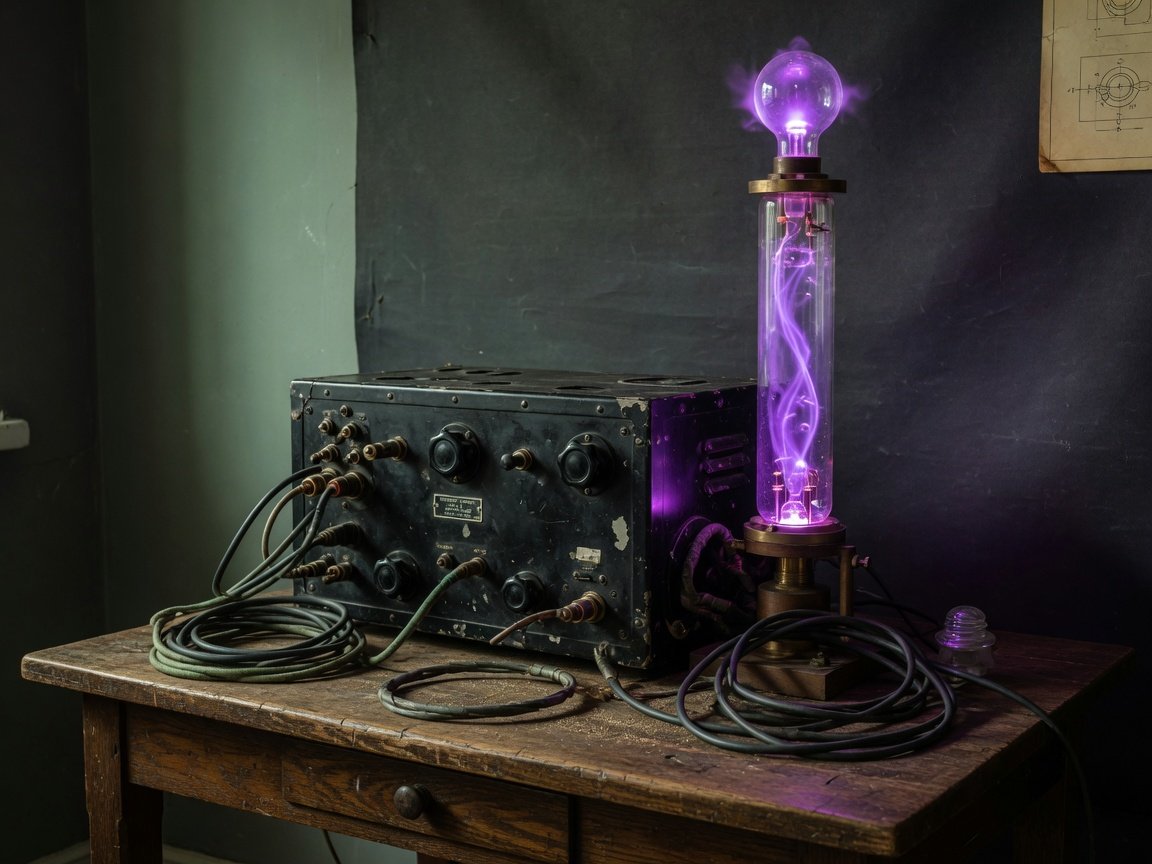
Key people you will meet
Understanding Rife means understanding the people who funded, tested, engineered and later commercialised aspects of the work.
We also flag common internet myths: claims that every 1934 patient was a “terminal cancer cure,” or that certain figures were murdered, are treated carefully and corrected where archival researchers have documented better evidence.
How to read this series
This hub is educational. Historical doctors described outcomes that, if accurately reported, were extraordinary for their time. That does not convert period anecdotes into licensed medical claims for 2026. Modern frequency platforms — including the Spooky2 Central Plasma system used at JKB Healing — are offered as complementary wellness support only.
For primary archival depth (machine schematics, trial transcripts, multi-hundred-page instrument reports), specialist libraries such as RifeVideos.com remain valuable reference points. Our pages rewrite the narrative for general readers and connect it honestly to what we offer in clinic.
From history to practice
When you are ready to move from the archives to a practitioner-led session, book Spooky2 Central Plasma frequency work or start with a bioresonance pathway.
Site links
Helpful next steps across our services and educational hub.